Your shoes can make or break a 12-hour ICU shift. I learned this the hard way — standing at a bedside for two hours during a code in shoes that had zero arch support, feet screaming by hour eight, and slipping on a wet floor near the med room because my soles had no grip.
After years of trial and error, I've tested most of the shoes nurses recommend. Here's what actually works in the ICU — and what doesn't.
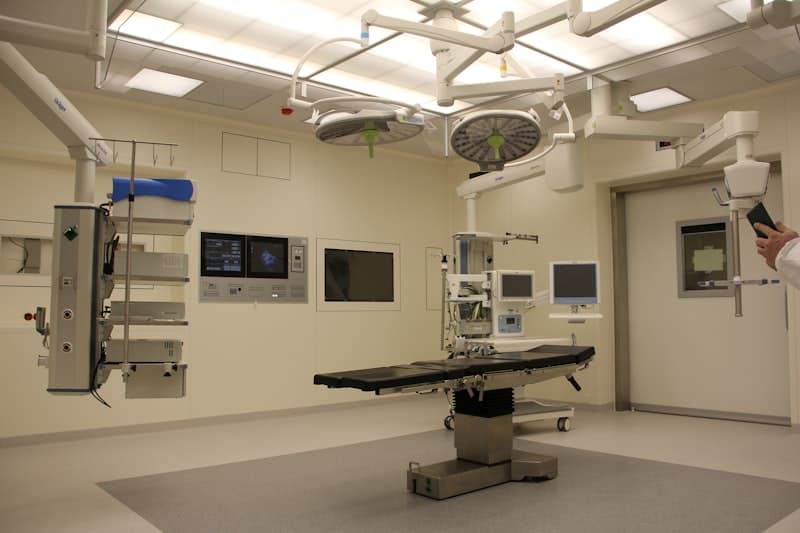
What ICU Floors Demand From Your Shoes
Before the recommendations, you need to understand why ICU nursing is different from a desk job or even a general ward:
- Wet floors are constant. IV drips, bodily fluids, cleaning solutions. Your shoes need real slip resistance, not marketing claims.
- 12 hours on hard tile. That's 10,000+ steps on surfaces designed to be cleaned, not walked on comfortably.
- Fluid exposure is routine. Blood, urine, wound drainage. If your shoes have mesh uppers, those fluids are soaking into your socks.
- Sharps are everywhere. Closed-toe is non-negotiable. Most hospitals mandate it, and for good reason.
With that in mind, here are the shoes that actually deliver.
1. Hoka Bondi SR — Best Overall for ICU
Price: ~$175 | Best for: Plantar fasciitis, joint pain, maximum cushioning
This is the shoe I keep coming back to. The "SR" stands for slip-resistant, and it's not marketing — the Bondi SR has one of the highest friction coefficients ever recorded in footwear testing (0.77). On wet ICU floors, that matters.
What I like:
- 40mm of cushioning that genuinely absorbs the impact of standing for hours
- Leather upper — not mesh. You can wipe blood and fluids off with a disinfectant wipe
- Comfortable right out of the box, no break-in
- My plantar fasciitis improved significantly after switching to these
- Rocker-bottom design reduces strain on knees and lower back
What I don't:
- Heavy. You feel the weight by hour 10
- Your feet run hot — the leather traps heat
- Bulky look, if that matters to you
- At $175, it's the most expensive option here
- Cushioning starts degrading after 6-8 months of daily use
Bottom line: If you have any kind of foot, knee, or back pain, try these first. The slip resistance alone makes them worth it for ICU work.
2. Brooks Ghost — Best Lightweight Option
Price: ~$130-150 | Best for: Nurses who want athletic-shoe comfort and lightness
In nurse surveys, 41% of respondents named Brooks as the best nursing shoe brand — more than any other. The Ghost is their most popular model, and it's easy to see why.
What I like:
- Noticeably lighter than Hokas or Danskos — less fatigue at the end of a shift
- DNA LOFT midsole absorbs impact well
- Comfortable immediately, no break-in needed
- Available in wide widths
- Good traction on dry hospital floors
What I don't:
- The mesh upper is a problem. Blood and fluids soak right through
- Slip resistance is adequate on dry floors but not great on wet ones
- Needs replacing every 4-6 months with heavy use
- Not cheap for a shoe that can't handle fluid exposure
Bottom line: Great shoe if your ICU doesn't see a lot of floor fluids, or if you pair them with shoe covers during messy situations. Not ideal for trauma or high-acuity units.
3. Clove Classic — Best for Infection Control
Price: ~$129-139 | Best for: Fluid resistance, easy cleaning, ICU-specific design
Clove was founded by a nurse, and it shows. These were designed from the ground up for clinical environments, not adapted from running shoes.
What I like:
- Fluid-resistant upper — blood, urine, chemicals bead up and wipe off
- Genuinely easy to clean between patients
- No break-in period
- Slip-resistant outsole
- Named "Nurse Shoe of the Year" by Nurse.org in 2025
What I don't:
- Arch support is underwhelming — I needed aftermarket insoles
- Can feel stiff initially
- Snug fit if you have wide feet
- Newer brand, so I can't speak to multi-year durability yet
Bottom line: The best balance of clinical safety and comfort. If infection control is your top priority — and in the ICU, it should be — these are hard to beat.
4. Dansko XP 2.0 — Best for Durability
Price: ~$130-150 | Best for: Wide feet, orthotic users, nurses who want shoes that last years
The Dansko is the legacy ICU shoe. Nurses have worn these for decades, and for good reason — they're built like tanks.
What I like:
- Roomy toe box accommodates wide feet and custom orthotics
- Leather upper wipes clean easily
- Rocker-bottom reduces leg and back fatigue
- These last. Some nurses report wearing the same pair for years
- Slip-resistant and oil-resistant outsole
What I don't:
- Significant break-in period — expect 1-2 weeks of discomfort
- Heavy and clunky. Loud to walk in
- Not great for quick lateral movement (code situations)
- The rocker bottom feels weird until you adjust
Bottom line: If you need a shoe that fits orthotics, handles wide feet, and lasts forever, the Dansko is proven. Just push through the break-in period.
5. ASICS Gel-Kayano — Best for Flat Feet
Price: ~$120-160 | Best for: Overpronation, flat feet, maximum stability
If you overpronate or have flat feet, the Gel-Kayano's stability system is excellent. ASICS also offers a 25% medical professional discount, which helps justify the price.
What I like:
- Superior arch support and stability for overpronators
- GEL cushioning absorbs shock well over long shifts
- Available in wide widths
- The medical professional discount brings price down to ~$90-120
- Good shock absorption reduces joint stress
What I don't:
- Mesh upper — same fluid problem as Brooks
- Not designed for healthcare (no clinical safety features)
- Laces need frequent retying
- Heavier than the Brooks Ghost
Bottom line: The best stability shoe on this list. If flat feet or overpronation are your main issue, try these — especially with the discount.
6. Crocs Neria Pro II — Best Budget Option
Price: ~$55-75 | Best for: Budget-conscious nurses, high-spill environments
Not the Classic Clog with holes — those are banned at most hospitals for good reason. The Neria Pro II is closed-toe, closed-heel, and actually designed for clinical work.
What I like:
- Fully sealed upper — nothing is getting through
- Can literally be hosed off at the end of a shift
- Slip-resistant outsole
- Extremely lightweight
- Most affordable shoe on this list by far
What I don't:
- Minimal arch support out of the box (add insoles)
- Not breathable — feet get sweaty
- Less responsive than athletic-style shoes
- Loose heel fit without good socks
Bottom line: If you're on a tight budget or work in a trauma ICU with constant fluid exposure, these are surprisingly effective for the price. Add $20 insoles and you have a solid setup for under $100.
7. New Balance Fresh Foam — Best for Wide Feet
Price: ~$75-120 | Best for: Wide and extra-wide feet, budget-friendly quality
New Balance consistently offers the widest range of width options, which matters more than most people realize. Ill-fitting shoes cause blisters, bunions, and pain that no amount of cushioning can fix.
What I like:
- Available in wide and extra-wide — hard to find with other brands
- Fresh Foam cushioning is solid for the price
- Lighter than Danskos or Hokas
- Good value for the quality
- Familiar athletic shoe feel
What I don't:
- Standard models lack fluid resistance
- Cushioning compresses faster than Hoka or Brooks with daily 12-hour use
- Sizing is inconsistent across models — try before you buy
Bottom line: The best option if you have wide feet and don't want to spend $175. Pair with shoe covers for messy shifts.
Shoes to Avoid in the ICU
Not every popular shoe works in a clinical setting. Specifically:
On Cloud — Rated 2.8/5 by nurses on Nurse.org. Very narrow, zero water resistance, impossible to clean without machine washing. They're running shoes, not work shoes.
Vessi — Despite "waterproof" marketing, nurses report that blood and secretions seep through. Rated 1/5 for sharps resistance.
Classic Crocs (with holes) — Needles, fluids, and chemicals go right through the ventilation holes. Most hospitals have banned them.
Any mesh-upper running shoe without slip resistance — Ultraboosts, basic Nikes, etc. Comfortable? Sure. Safe on a wet ICU floor with bodily fluids? Absolutely not.
Quick Comparison
| Shoe | Price | Slip Resistance | Fluid Resistant | Weight | Arch Support | Best For |
|---|---|---|---|---|---|---|
| Hoka Bondi SR | $175 | Excellent | Yes (leather) | Heavy | Excellent | Joint pain, plantar fasciitis |
| Brooks Ghost | $130-150 | Good | No (mesh) | Light | Good | Lightweight comfort |
| Clove Classic | $129-139 | Good | Yes (designed for it) | Medium | Moderate | Infection control |
| Dansko XP 2.0 | $130-150 | Good | Yes (leather) | Heavy | Good | Wide feet, durability |
| ASICS Gel-Kayano | $120-160 | Good | No (mesh) | Medium | Excellent | Flat feet, stability |
| Crocs Neria Pro II | $55-75 | Good | Yes (sealed) | Very Light | Minimal | Budget, high-spill units |
| New Balance Fresh Foam | $75-120 | Adequate | No | Light | Good | Wide feet, value |
My Recommendation
If I had to pick one shoe for a new ICU nurse: Hoka Bondi SR. The combination of slip resistance, fluid protection, and cushioning is unmatched for ICU work specifically. Yes, they're expensive. But your feet carry you through 12-hour shifts — this isn't where you cut corners.
If budget is tight: Crocs Neria Pro II with aftermarket insoles. Under $100 total, fully cleanable, and genuinely slip-resistant.
If you have flat feet or overpronation: ASICS Gel-Kayano with the medical professional discount.
One More Thing
Whatever shoe you choose, replace it on schedule. Cushioning degrades invisibly. If you're getting new foot or knee pain and nothing else has changed, your shoes are probably done. For daily ICU use, that's typically every 6-8 months.
Your feet are your career. Treat them accordingly.
Working night shifts in those new shoes? Check out the night shift survival guide for everything else you need. New to the ICU? Here's what to expect in your first year.
ICU Nurse Life
Written by an ICU nurse with 8+ years of bedside experience. Real talk, real advice.
Read my story →You might also like
ICU Diary: Why I'm Writing About Daily Life in Critical Care
Introducing our ICU diary series. Real stories from the bedside — the wins, the losses, and everything in between. This is what ICU nursing actually looks like.
The Ultimate Night Shift Survival Guide for ICU Nurses
Practical strategies for surviving (and thriving on) night shifts in the ICU. Sleep, nutrition, relationships, and staying sharp when it matters most.
Is a Higher Diploma in ICU Nursing Worth It?
Should you invest a year in a postgraduate ICU nursing diploma? Cost, curriculum, career impact, and whether bedside experience alone is enough.